In the digital world, speed isn’t just a convenience; it’s a critical component of success. From loading a simple website to processing complex financial transactions, the performance of your server directly impacts user experience, operational efficiency, and, ultimately, your bottom line. A slow server can lead to lost customers, decreased productivity, and a tarnished brand reputation. This comprehensive article delves deep into why server speed matters more than ever in 2025, exploring the multifaceted ways it influences everything from search engine rankings and customer satisfaction to data security and business scalability. We will examine the core technical factors that contribute to server performance and the tangible business benefits that come with investing in a high-speed infrastructure. Our goal is to provide a detailed, authoritative guide for business owners, developers, and IT professionals, helping you understand that a fast server is not a luxury—it’s a fundamental requirement for thriving in the modern digital landscape. The global digital economy is driven by real-time interactions, and a slow server is a liability in this fast-paced environment.
A. User Experience and Customer Retention

The most immediate and visible impact of a fast server is on the user experience. In an age of instant gratification, patience is a scarce commodity.
A.1. The Importance of Page Load Speed
Page load speed is the time it takes for a web page to fully load in a user’s browser. It’s a key metric that directly affects user behavior.
- Reducing Bounce Rates: A slow-loading website is a major turn-off. Studies consistently show that a significant percentage of users will abandon a website if it takes more than a few seconds to load. A fast server ensures your content is delivered quickly, reducing bounce rates and keeping users engaged on your site.
- Improving User Satisfaction: A smooth, fast experience makes a user feel valued. Conversely, a sluggish website can lead to frustration and a negative perception of your brand. A fast server contributes to a seamless user journey, encouraging repeat visits and building customer loyalty. In a world where competition is just a click away, a superior user experience can be your key differentiator.
A.2. Enhancing Interactive Applications
The speed of a server is not just about loading static pages. It’s about the responsiveness of dynamic applications like e-commerce sites, social media platforms, and web-based tools.
- Real-Time Responsiveness: A fast server is crucial for real-time interactions. For an e-commerce site, this means a smooth checkout process, instant product filtering, and quick updates on inventory. For a video conferencing tool, it means minimal latency and a seamless audio-video experience. Any delay can disrupt the user flow and lead to abandonment.
- Supporting High-Concurrency Workloads: In high-traffic periods, such as a major sale or a viral marketing campaign, a fast server with a high-performance CPU and ample RAM can handle thousands of simultaneous user requests without crashing or slowing down. This ensures that your business can capitalize on peak opportunities without compromising performance.
B. SEO and Search Engine Rankings
Server speed is a critical factor in how search engines, particularly Google, rank your website. Google has openly stated that page speed is a ranking signal, and a slow site can be penalized.
B.1. Core Web Vitals and SEO
Google’s “Core Web Vitals” initiative measures the real-world user experience of a website. A slow server can negatively impact these metrics, hurting your search rankings.
- Largest Contentful Paint (LCP): This measures how long it takes for the largest content element on a page to become visible. A fast server is essential for delivering this content quickly, resulting in a good LCP score.
- First Input Delay (FID): This measures the time from when a user first interacts with a page (e.g., clicking a link) to the time the browser is able to respond. A slow server with an overwhelmed CPU can cause this delay, leading to a poor FID score.
- Cumulative Layout Shift (CLS): While less directly tied to server speed, a slow-loading server can contribute to layout shifts as elements load in at different times, which can lead to a poor CLS score.
B.2. Improved Crawlability
Search engine bots, like Googlebot, have a limited time budget to crawl a website. If your server is slow, the bot can only crawl a limited number of pages before its time runs out. A fast server allows search engine bots to crawl your site more efficiently, leading to better indexation of your pages and a higher chance of ranking for relevant keywords.
C. Business Scalability and Operational Efficiency

A fast server is the foundation of a scalable and efficient business operation. It supports growth and allows your team to be more productive.
C.1. Supporting Growth
As your business grows, so does your data and traffic. A fast, scalable server is crucial to handle this increased load.
- Managing Big Data and Analytics: Businesses are increasingly reliant on data to make decisions. A high-performance server can process massive datasets quickly, providing timely business intelligence. A slow server can turn a quick query into a frustratingly long wait, delaying critical decision-making.
- E-commerce and Transactional Integrity: For an e-commerce site, a fast server is essential for handling a high volume of transactions securely and efficiently. During peak seasons like Black Friday or Cyber Monday, a server’s speed can be the difference between a record-breaking sales day and a site crash that leads to massive revenue loss.
C.2. Boosting Internal Productivity
A fast server isn’t just for your customers; it’s for your employees too.
- Faster File Access and Collaboration: For a business with an on-premise server, fast server speed means employees can access and save large files quickly, reducing idle time and frustration. In a cloud-based environment, it means a more responsive experience with collaboration tools and project management software.
- Reduced IT Overhead: A well-optimized, high-performance server requires less maintenance and troubleshooting. By investing in a fast server upfront, you can reduce the amount of time your IT team spends on performance issues and focus on more strategic initiatives.
D. Security and Reliability
While not immediately obvious, server speed is also linked to security and reliability. A server that is slow due to an inefficient design or lack of resources is often more vulnerable to threats.
D.1. Mitigating DDoS Attacks
A Distributed Denial of Service (DDoS) attack overwhelms a server with a flood of traffic, causing it to crash. A high-performance server with a robust network and a powerful CPU is better equipped to handle and filter out this malicious traffic, mitigating the impact of the attack and keeping your services online.
D.2. Enabling Advanced Security Features
Many advanced security features, such as real-time threat detection and AI-powered intrusion prevention systems, are computationally intensive. A slow server may not be able to run these features effectively, leaving your data and applications vulnerable. A fast server provides the necessary resources to run these security tools in the background without impacting performance.
E. Technical Factors Behind Server Speed
Understanding the hardware and software that contribute to server speed is crucial. It helps you make informed decisions when upgrading or purchasing a new server.
E.1. Hardware Components
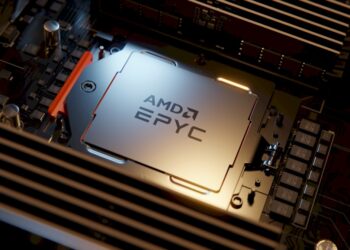
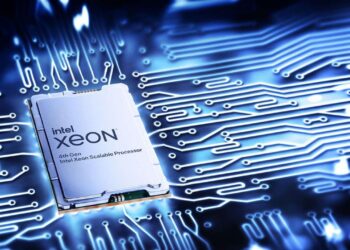
- CPU (Central Processing Unit): The number of cores and clock speed of the CPU determine how many tasks a server can process simultaneously.
- RAM (Random Access Memory): The more RAM a server has, the more data it can hold for quick access, reducing the need to retrieve it from slower storage.
- Storage (SSDs vs. HDDs): Solid-State Drives (SSDs) are significantly faster than traditional Hard Disk Drives (HDDs). Using SSDs for the operating system and critical applications can dramatically improve server response times.
- Network Interface Card (NIC): A high-speed NIC is essential for fast data transfer between the server and the network.
E.2. Software and Configuration
- Optimized Operating System: A lean, well-configured operating system is crucial for a fast server.
- Web Server Software: Choosing the right web server software (e.g., Nginx or Apache) and configuring it correctly can significantly impact performance.
- Caching: Caching stores frequently accessed data in a temporary, high-speed location, reducing the need to retrieve it from the original source. This is one of the most effective ways to improve a website’s speed.
- Content Delivery Network (CDN): A CDN delivers your website’s content from a server geographically closer to the user, reducing latency and improving load times.
Conclusion
In conclusion, the speed of your server is not just a technical detail; it is a fundamental driver of business success. It’s the silent force that underpins every aspect of your digital operation, from the first impression a user gets of your website to the efficiency of your internal teams and the security of your most critical data. A slow server is a liability that can lead to high bounce rates, low search engine rankings, and a poor brand image. It can also hinder your ability to scale and grow, turning a period of high demand into a potential disaster.
By investing in a high-performance server, you are making a strategic decision to prioritize user experience, improve your digital visibility, and create a scalable and resilient infrastructure. It’s about ensuring your business can handle the rigors of the modern digital landscape, where every millisecond counts. A fast server provides the solid foundation needed to support everything from complex data analytics and mission-critical applications to a smooth and secure e-commerce platform. It empowers your employees to work more efficiently and gives your customers the seamless, responsive experience they expect. In the race to stand out in a crowded market, server speed is a competitive advantage that can’t be ignored. It’s the key to unlocking your full digital potential and securing your place in the future.